
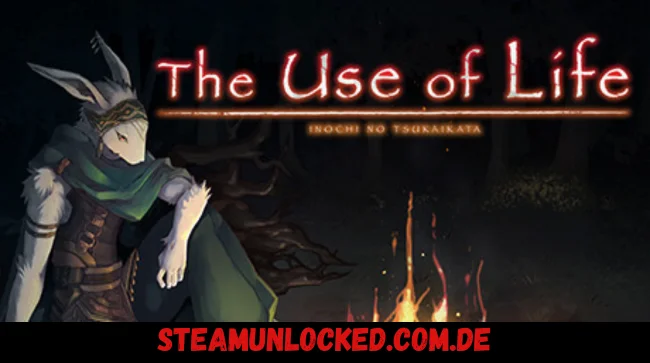
The Use of Life is basically this wild, multi-ending RPG that plays out like an adventure book where every choice actually matters. You’re shaping Goshe — the main character — not just in what he does, but in how he thinks and what he cares about. His emotions and attachments show up as these glowing flames, and the way they change depends completely on how you guide him. What’s cool is that the game doesn’t judge your decisions. Whether Goshe becomes someone who uses his life for himself or someone who throws everything away to help others — that’s all on you. There aren’t “good” or “bad” endings, just different paths based on the life you decide for him. And the combat is super unique too, mixing turn-based strategy with quick QTE reflex moments, so fights feel both smart and intense. Every turn, you and your enemy pick three actions and then take turns unleashing them. So you’re constantly planning around their moves — dodging fast chains of attacks, timing your own hits to deal maximum damage, and trying not to get destroyed. Even if you lose, the game pushes you to learn, adapt, and eventually take down the enemy. Boss fights especially feel like you’re barely hanging on, and winning one feels insanely satisfying. You may also be interested link the game Cyber Clutch: Hot Import Nights
The story events play out like you’re flipping through an adventure book. Sometimes the game will throw in dice rolls like a tabletop RPG, and depending on your choices and your luck, the same event can unfold in totally different ways. You can play it safe and think everything through, or dive recklessly into danger — and either way, Goshe’s personality shifts according to how you’re playing. Goshe also gets this insane power from a curse, and every close encounter with death makes him stronger. You spend your experience on whatever abilities fit your playstyle, and your stats don’t just help in battle — they actually change how events outside of combat turn out. As you level up different classes, you unlock new spells, abilities, and playstyles that totally change how you fight.
You can go full Fighter and slice enemies up with pure physical power and tons of moves. Or you can go Samurai and hit brutal, precise strikes that feel insanely satisfying. The Mage goes big with risky-but-massive spell damage, while the Sorcerer messes with enemies using weird abilities and status effects. Every class feels different, and you can mix and match to create your own way of fighting. Yeah, it’s technically a JRPG, but it’s not trying to copy the old-school stuff. It’s aiming to be a “new kind” of JRPG — something fresh that shows how the genre can evolve without losing the heart of what makes it great.
0 Comments